Election day may be behind us, but the fight for our civil rights is far from over! At CAA, we’re continuing to stand up for our communities wherever their rights are on the line, from the ballot box to the courtroom. And we’re making progress.
Here’s what we’ve been up to:
- Helping voters navigate confusion and uncertainty amid the Trump administration’s attempts to purge voters from the rolls
- Exposing anti-immigrant disinformation spreading through Chinese, Indian, Filipino, and Vietnamese media
- Winning a major victory for language access by stopping a flawed AI-based court translation proposal
These fights don’t end on Election Day. With your support, we can keep the momentum going.
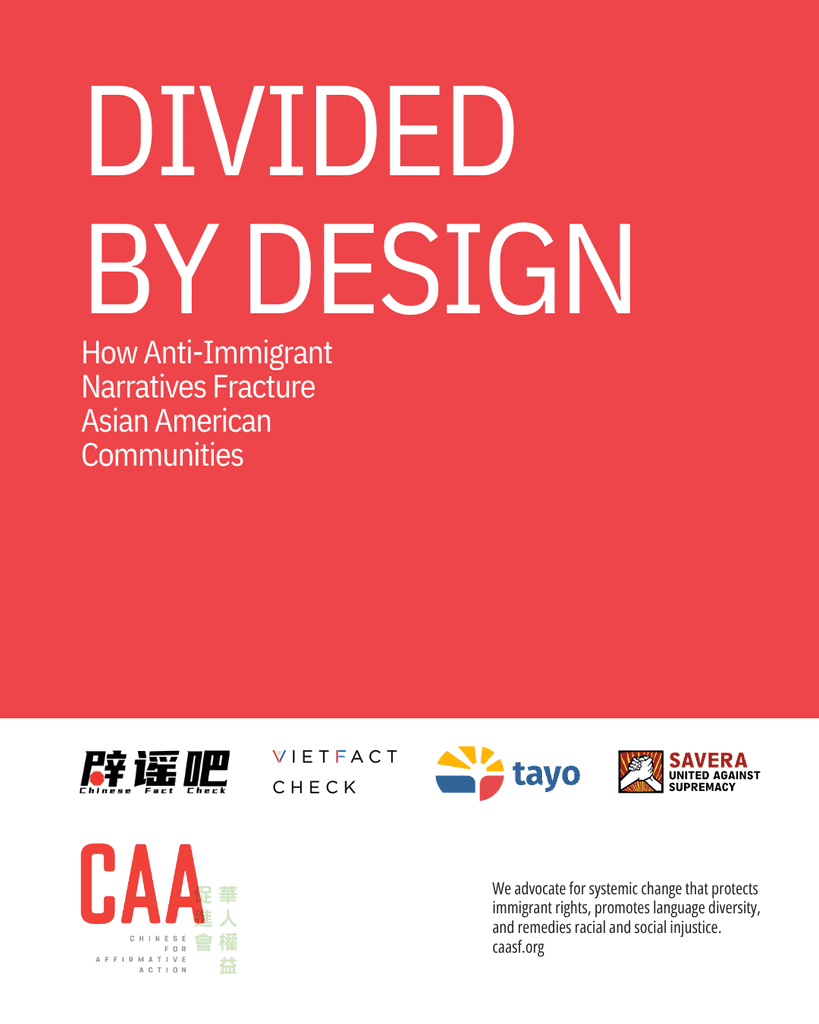
Exposing the anti-immigrant disinformation dividing our Asian American communities
Anti-immigrant disinformation is spreading across Asian American communities, and new technologies are making the problem worse.
In a new report by CAA, we show how fear-based narratives are taking hold in Chinese, Indian, Filipino, and Vietnamese media ecosystems, and how AI and social media algorithms are amplifying harmful messages and deepening divisions.
Understanding how these narratives spread is a critical first step toward fighting back.
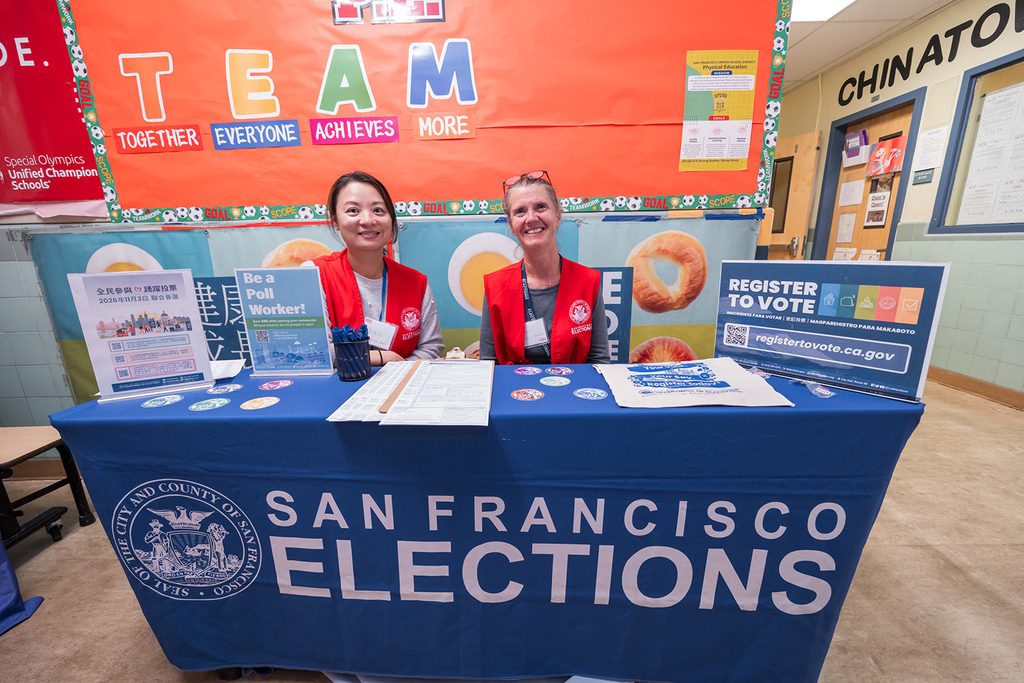
Helping voters navigate uncertainty during the 2026 midterms
In the lead up to the midterms, the Trump administration sued California in an attempt to purge 20,000 voters from the rolls. The move threatened to create confusion and fear among eligible voters, particularly immigrant communities already facing intimidation and uncertainty.
CAA worked directly with concerned community members to answer questions, share reliable voting information, and connect those needing additional assistance with the Department of Elections.
Every eligible voter deserves to make their voice heard—without fear.
Victory! CAA helps stop a flawed AI court translation proposal
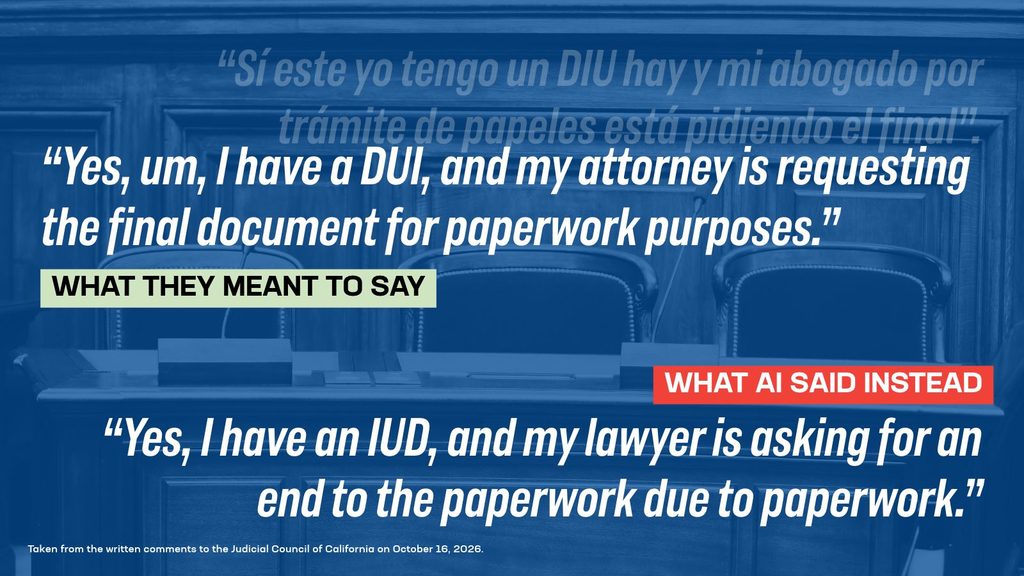
Imagine going to court and relying on technology that confuses “DUI” with “IUD” – or turns your words into nonsense phrases like “sting the judge to reduce a fever.”
These are real examples of errors from AI-based language tools being used in California courts. For people with limited English proficiency, mistakes like these can have serious consequences and affect their ability to meet deadlines and make informed decisions about their legal cases.
Our communities deserve better. So we took action.
CAA and our partners mobilized 52 language access organizations to demand that the California Judicial Council end its problematic AI translator program. We brought limited English proficient immigrants’ immigrants directly to the Judicial Council to share their concerns and organized a press conference to bring public attention to the issue.
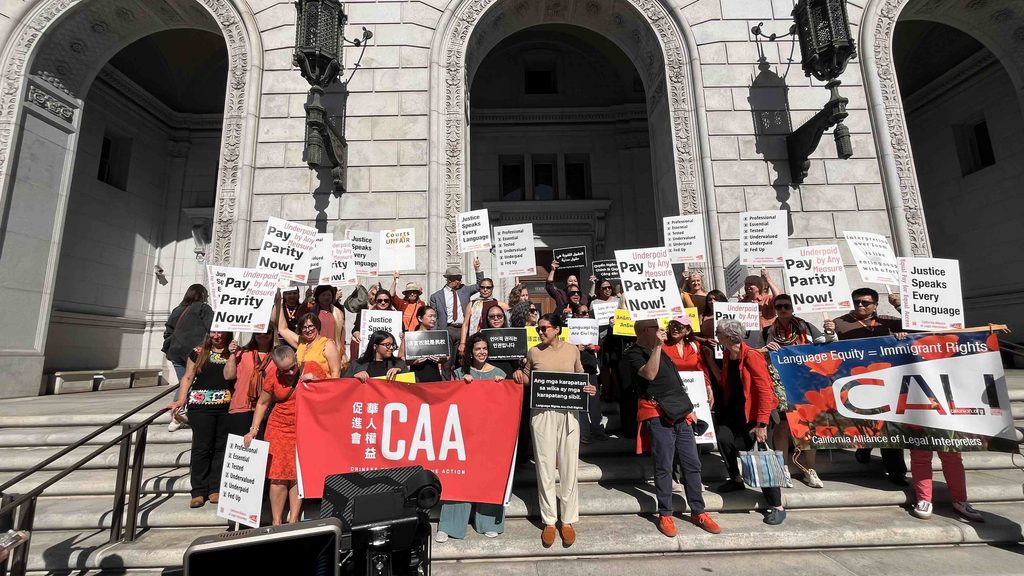
And it worked!
After months of community pressure, the Judicial Council canceled its proposal for the voice-to-text translator program, just one day before our planned press conference. It’s a major victory for immigrants and people with limited English proficiency, and a powerful reminder that when our communities organize and speak out, we can make change happen.