
In the News
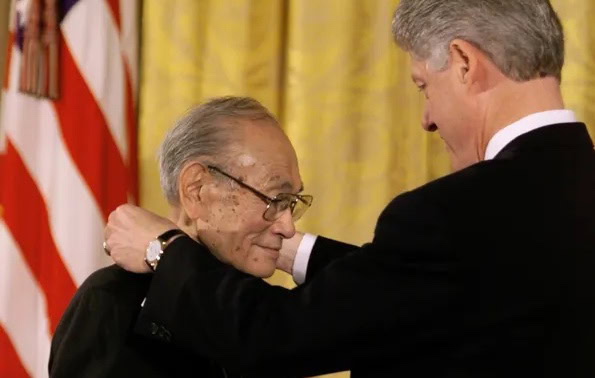
The scale at which AA and PI people have their rights violated is shocking. These findings should be a wake-up call: The fight for our civil rights is not just a history lesson but a movement we must engage in…
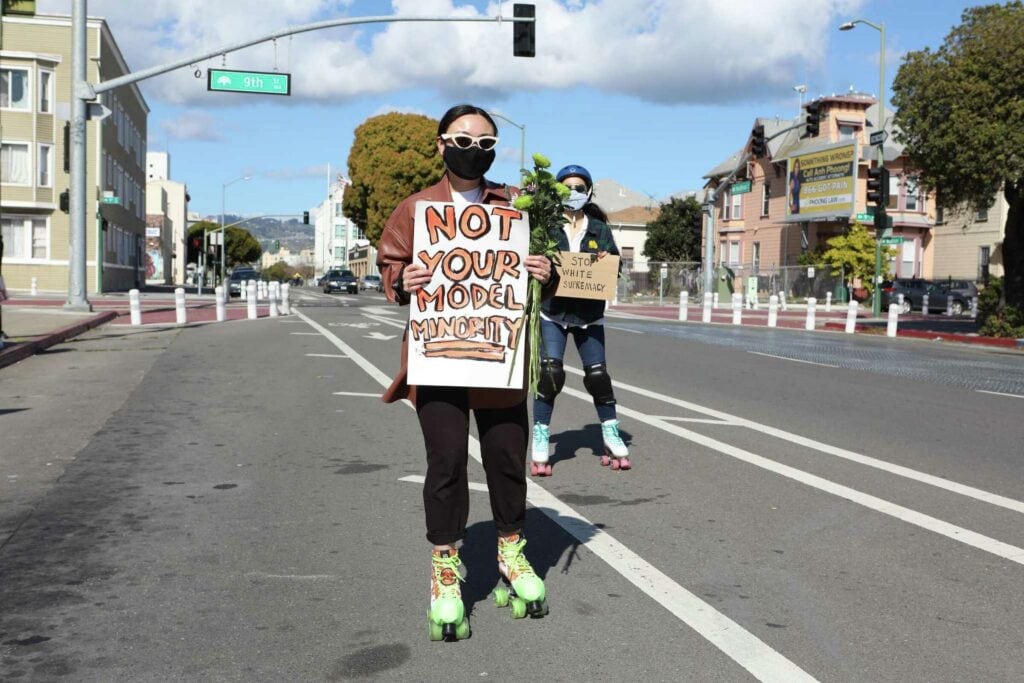
“If we lump everyone together, we are and we have missed those differences, and it has led to this belief, this falsehood, that there is no need to focus on educational equity,” said Cynthia Choi, co-executive director of the civil…
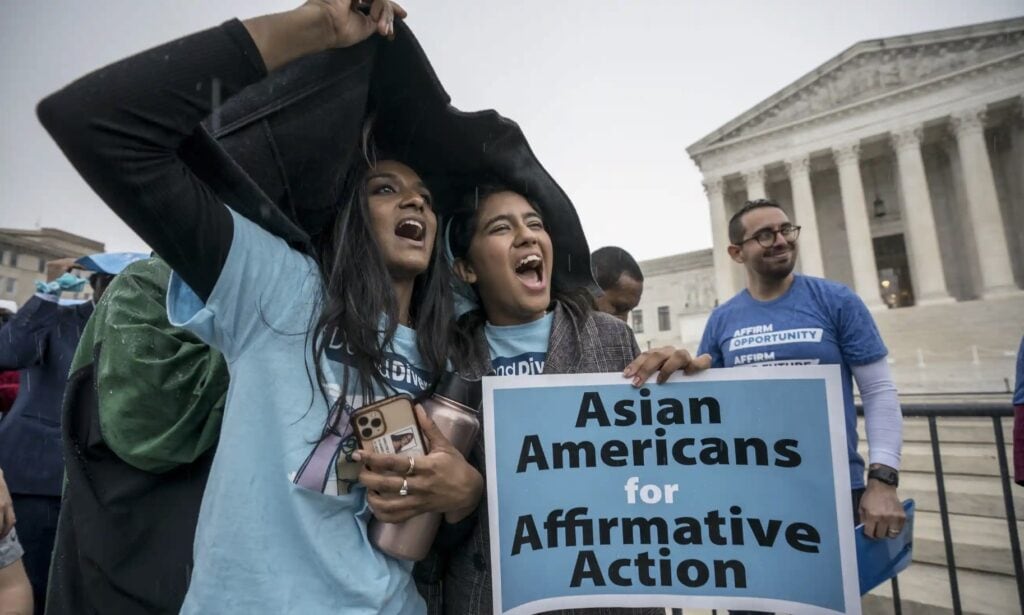
Affirmative action opponents have used racial scapegoating to reframe the national debate, exploiting middle-class fears amid a toxic obsession with meritocracy. By Jeff Chang
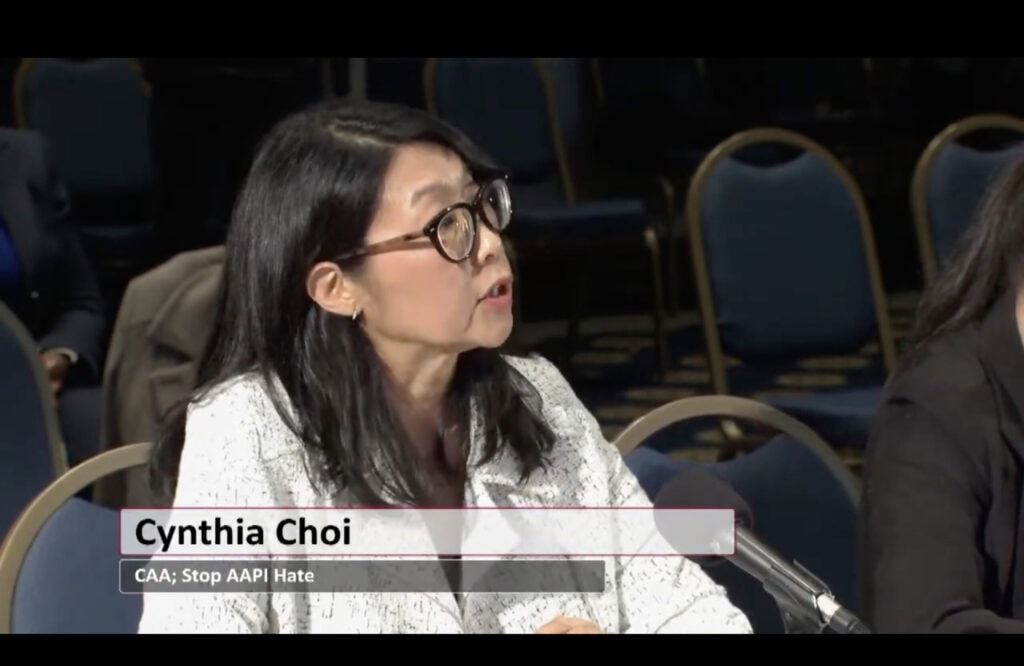
Cynthia Choi, co-executive director at Chinese for Affirmative Action, speaks at the U.S. Commission on Civil Rights’s briefing on March 24, 2023 on the federal government’s response to anti-Asian racism in the United States.
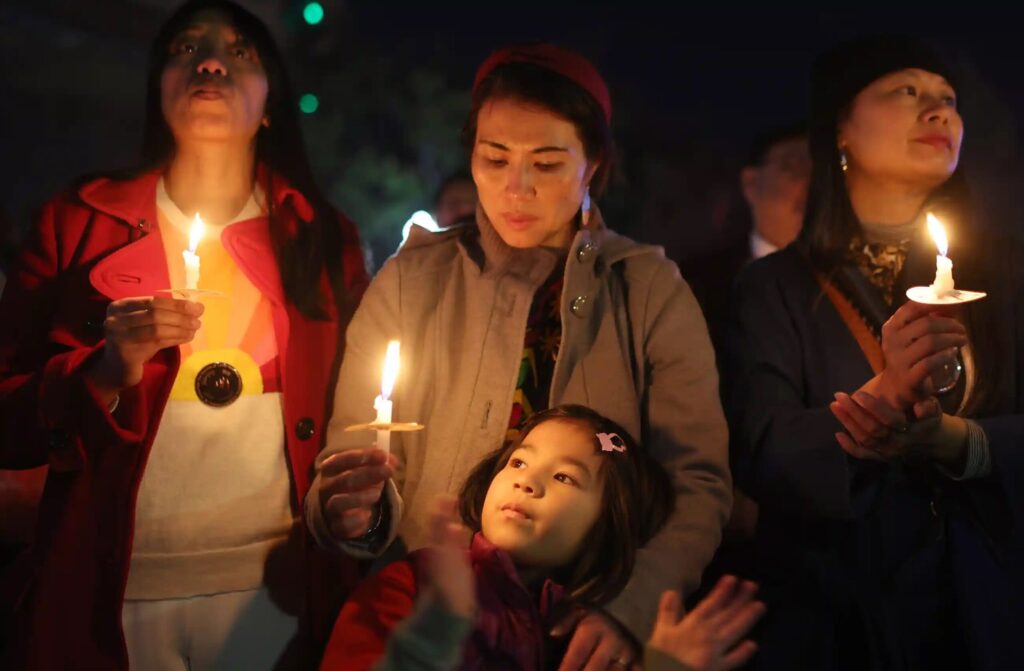
Newtown Action Alliance, along with the progressive groups AAPI Victory Alliance, MomsRising and Chinese for Affirmative Action, formed the AAPI Against Gun Violence coalition to engage the Asian diaspora on the issue of gun violence prevention.

After a Texas legislator introduced a bill that would ban land sales to citizens of China, Russia, Iran and North Korea, a committee of the San Francisco Board of Supervisors has voted to condemn it. Representatives from Chinese for Affirmative…
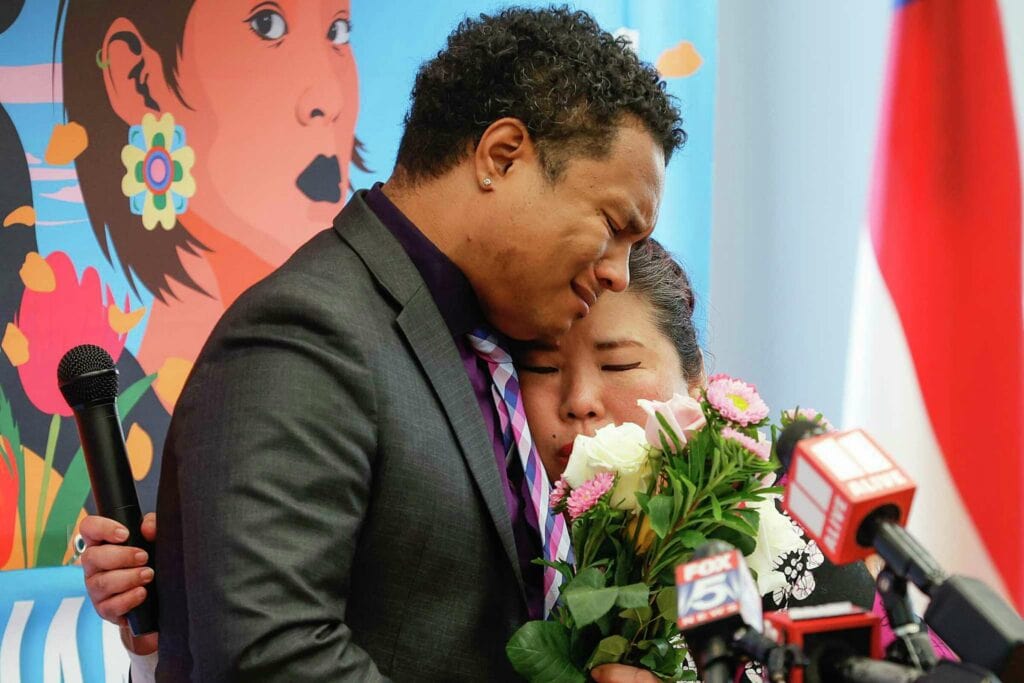
The advocacy group Stop AAPI Hate began tracking incidents in March 2020, and through March 2022 it received 11,500 self-reports of harassment and physical attacks.
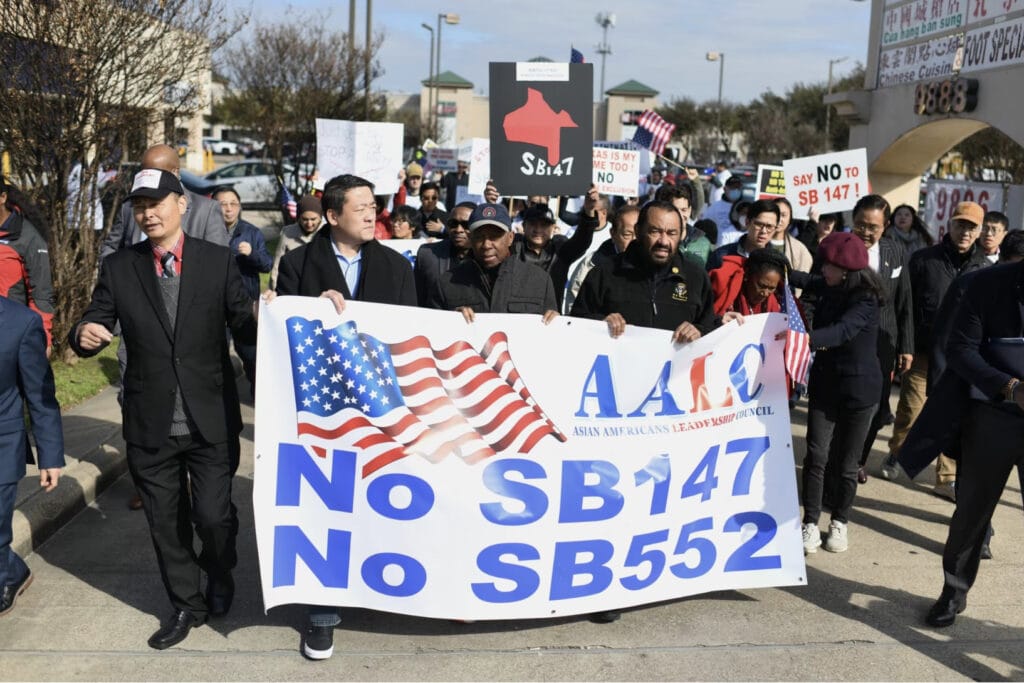
In early February, Nick Gee flew from San Francisco to his hometown of Houston to join the local protests against a proposed state law aiming to ban citizens of China from purchasing real estate in Texas.

Affirmative action podcast with CAA’s Sally Chen.

Introduced by Sen. Dave Min in partnership with Stop AAPI Hate, the bill would address systemic safety issues on public transit systems across the state. By Mariel Padilla
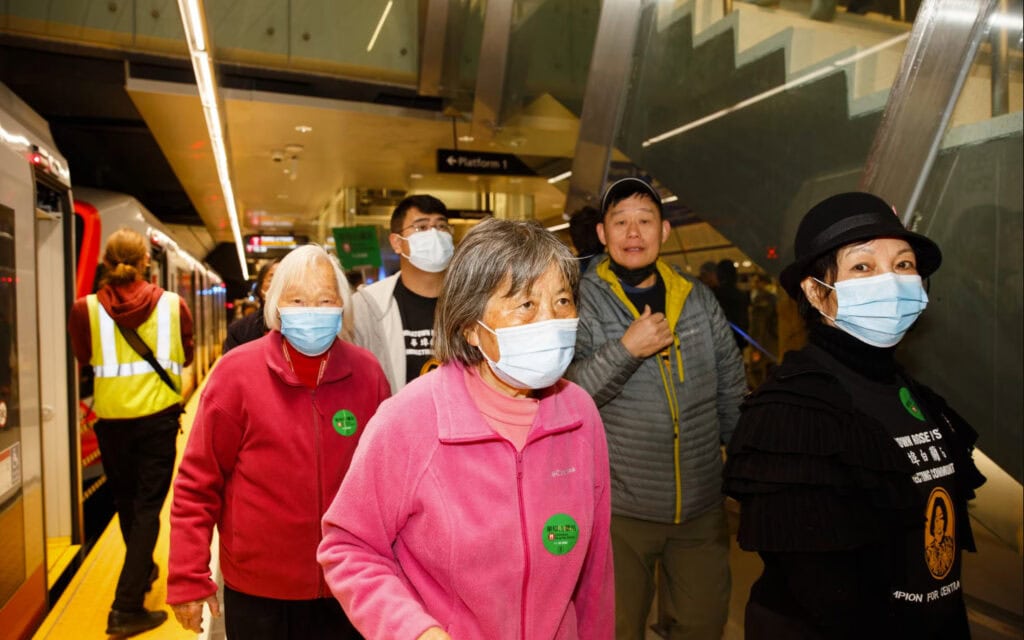
Stop AAPI Hate told The Standard that it has also recorded many verbal assault incidents on San Francisco’s public transit. According to its two-year data report, 9% of all the anti-Asian incidents reported happened on public transit. Written by Han Li
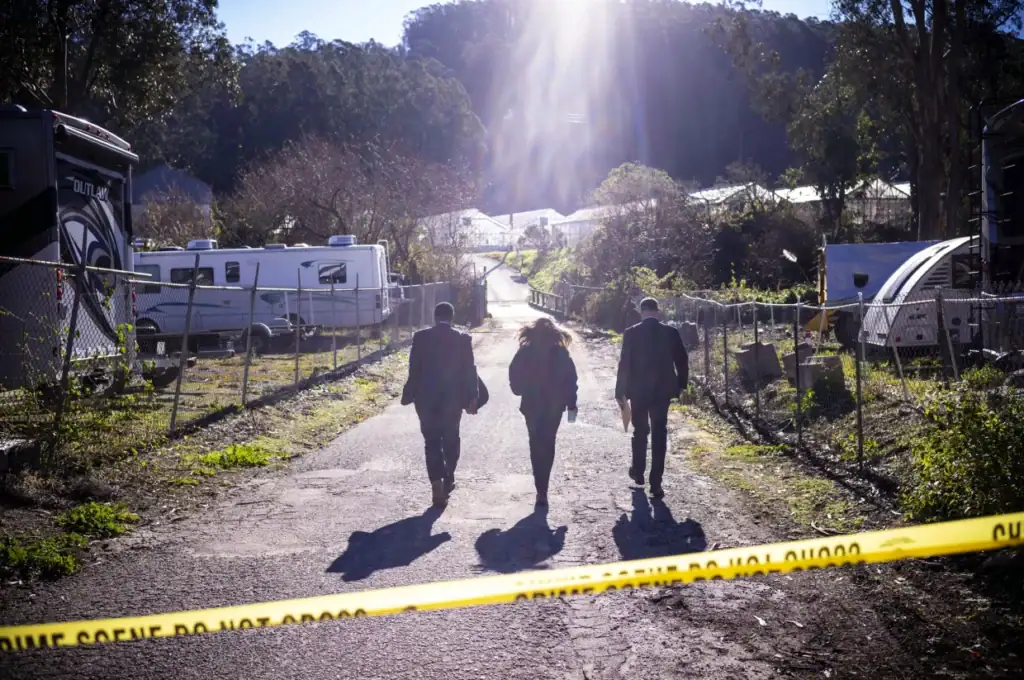
The tragedy left survivors and victims’ families fearful to return to the farms where they lived and earned their livelihoods. By Sakshi Venkatraman