
In the News

Stop AAPI Hate: We support ending gun violence, but we are not usually part of the policy conversations. AAPI organizations are uniting to advocate for action. By Cynthia Choi and Manjusha P. Kulkarni
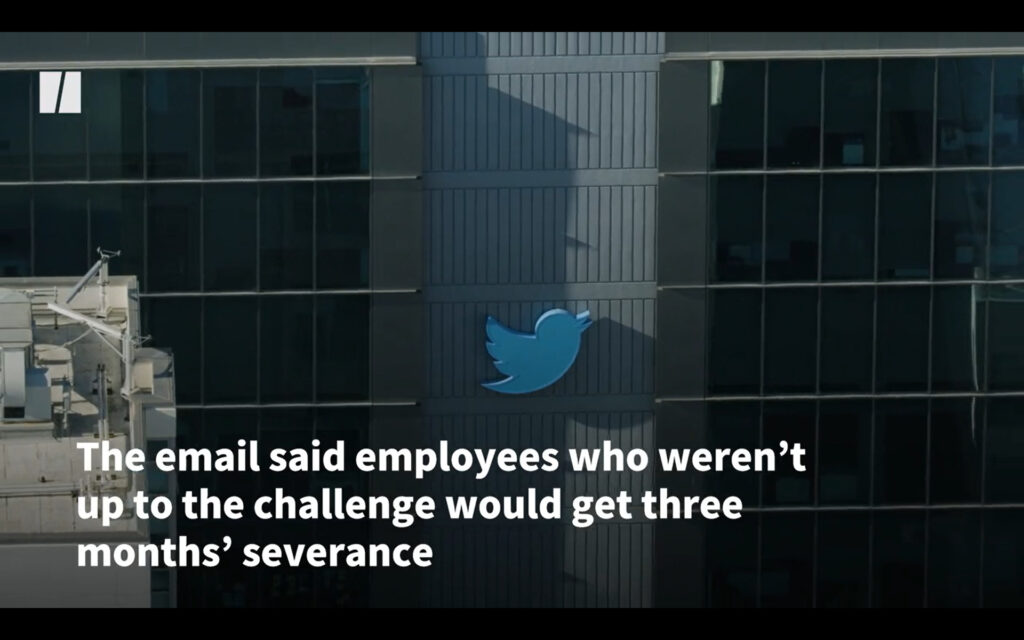
The safety that the social media platform afforded various communities is being compromised under Elon Musk’s leadership. In the early days of the coronavirus pandemic, people came together on Twitter to share their frustration with the rise in violence against…
This op-ed explains how Chinese academics have been criminalized in the government’s hunt for Chinese spies working at American universities. By Joyce Xi
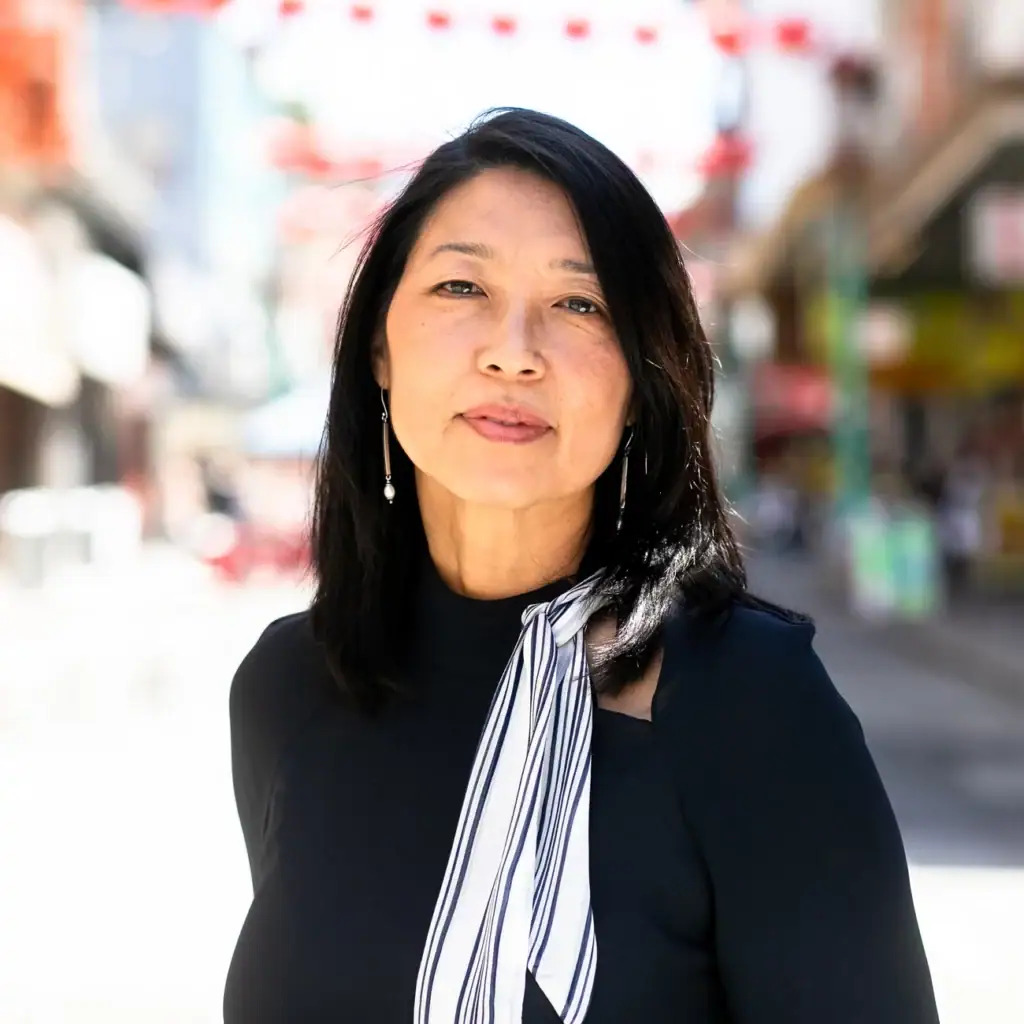
Scores of CEOs, managers, and employees have contacted Choi to figure out how to collaborate and support the AAPI community over the past two years or so, Choi said. They’re asking how to support their AAPI employees, what nonprofits to…

Non-english language election lies are everywhere on messaging apps. Groups are using tech-savvy methods to stop it, but they’re overmatched.
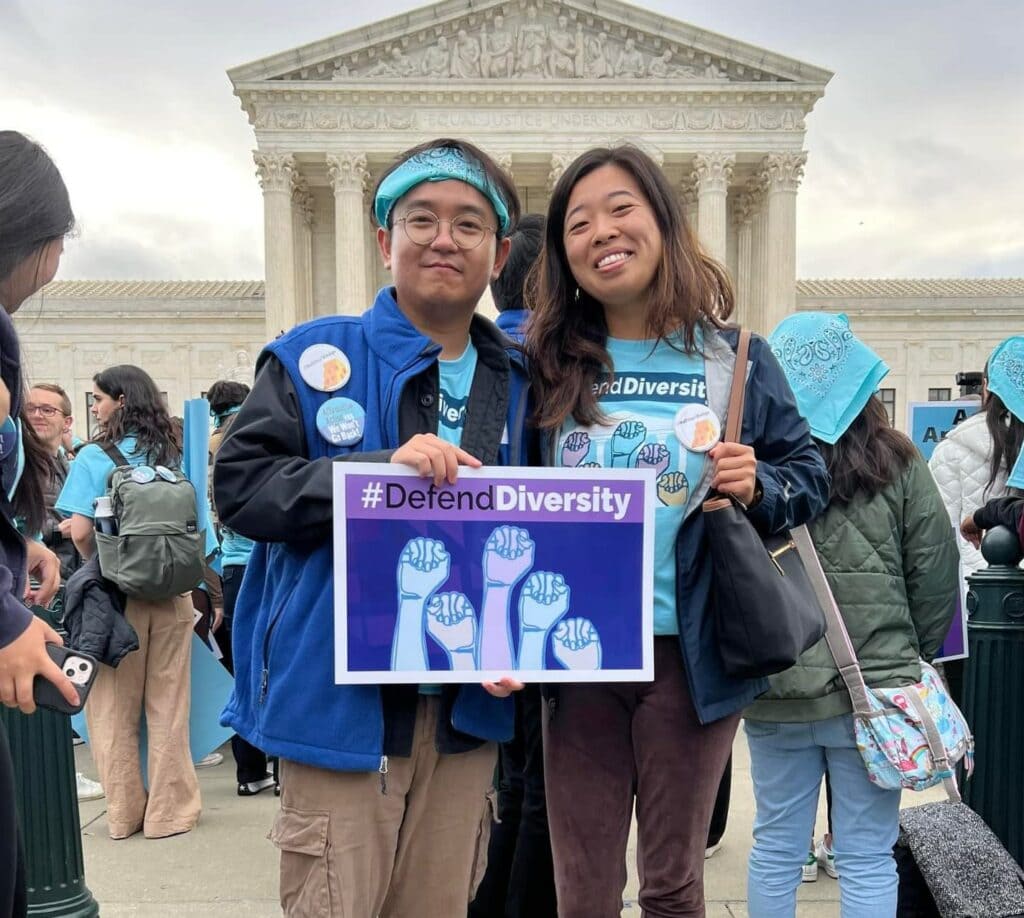
‘There is a bigger picture understanding of how we want to function as a society’ — This Asian American Harvard grad says that the affirmative action cases being heard by SCOTUS will have a greater societal impact that extends past…
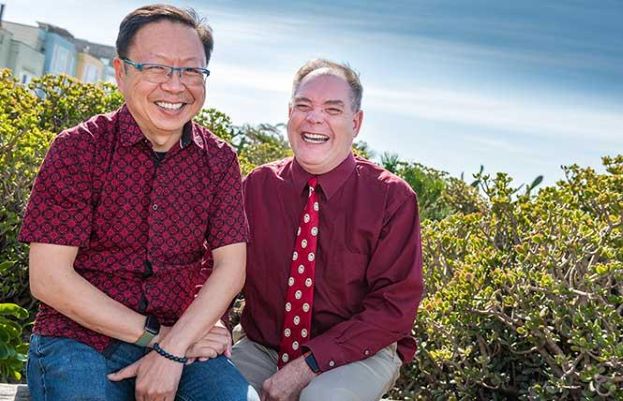
For Amos and Mickey Lim, a married gay couple who live with their 14-year-old daughter in San Francisco, the road to love was filled with challenges.
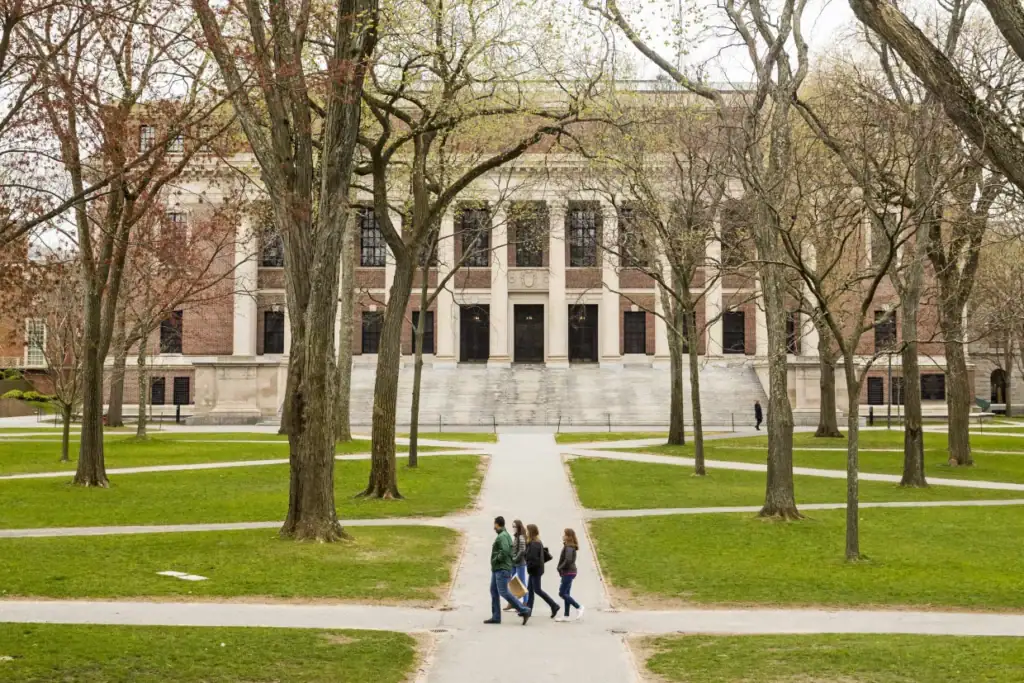
Though 70% of Asian Americans support affirmative action, factors like pressurized school systems in Asia, immigrant trauma and a lack of firsthand knowledge of U.S. racial history have impacted the opposition.
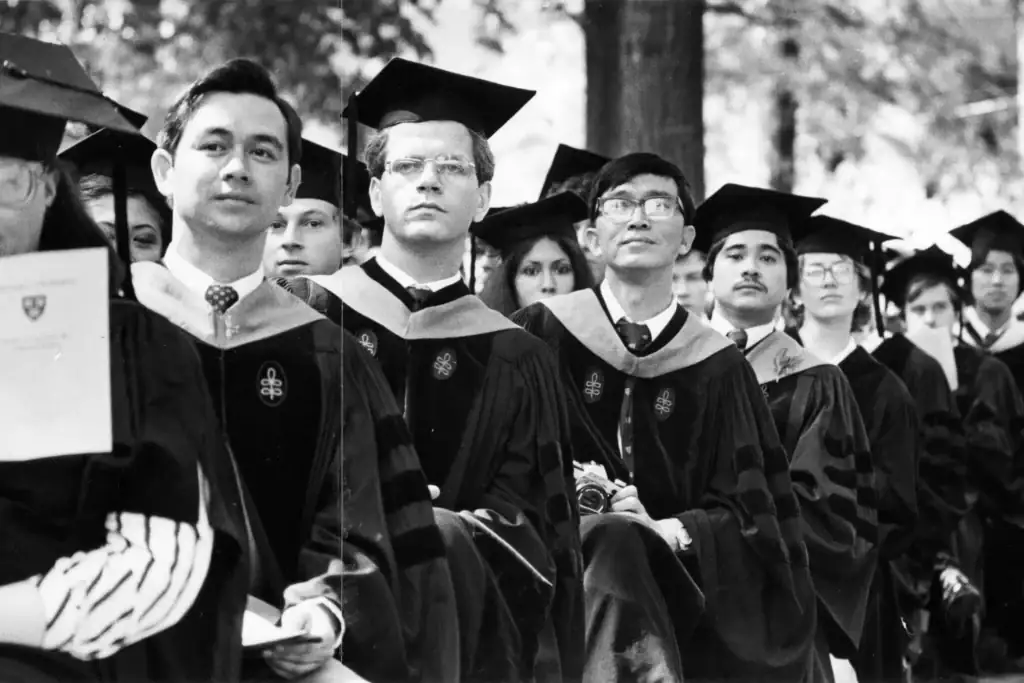
The lawsuit against Harvard is not the first time an elite university has been accused of discriminating against Asian Americans in admissions. In the 1980s, Asian American scholars, parents and activists made similar accusations against more than a dozen universities,…
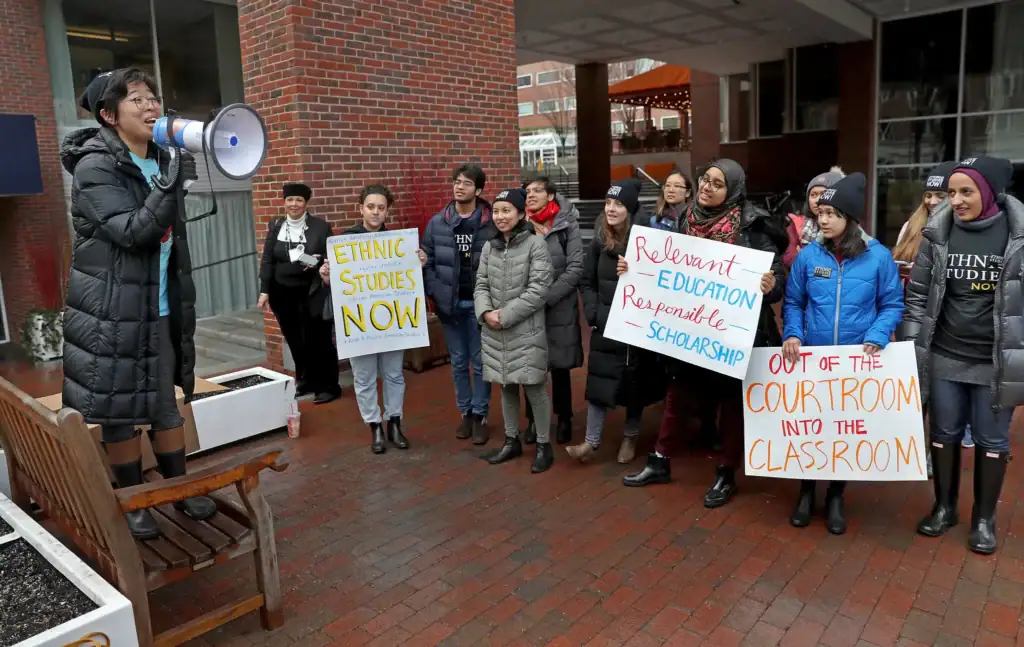
Several students who say they personally benefited from affirmative action testified in federal court in 2018 on behalf of Harvard. One was Sally Chen, the daughter of working-class Chinese immigrants who speak very little English.
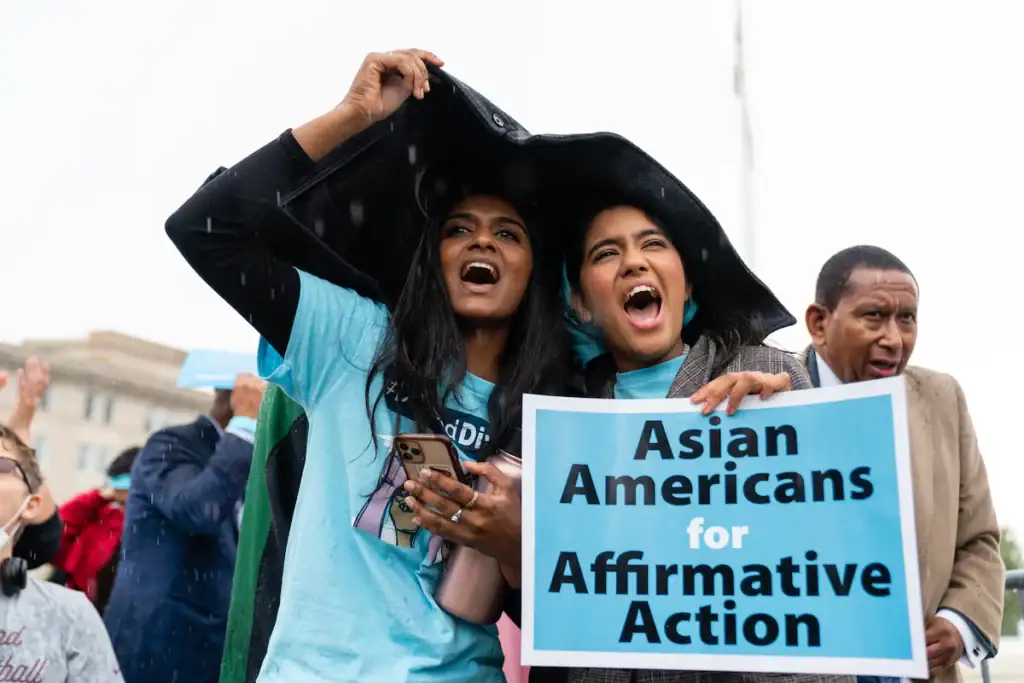
Asian Americans as the “model minority” being harmed by affirmative action policies is a myth, Sally Chen said.
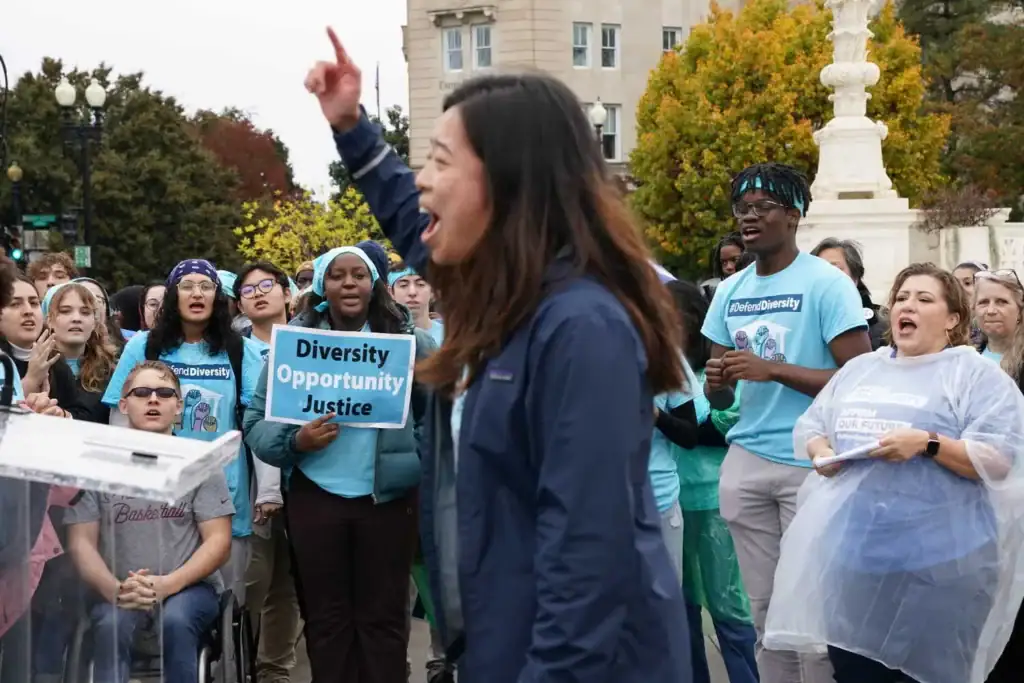
On Monday morning, as the justices heard arguments in cases challenging whether race can be a factor for admissions at the University of North Carolina and Harvard, a diverse group brandished signs reading, “I am not a wedge,” “Not your…