In the News

by Julia Tong The AAPI Against Gun Violence Coalition was the result of these nationwide conversations. In particular, the AAPI Victory Alliance, MomsRising, Newtown Action Alliance, Chinese for Affirmative Action, and Hope and Heal Fund formed the Coalition’s Steering Committee.
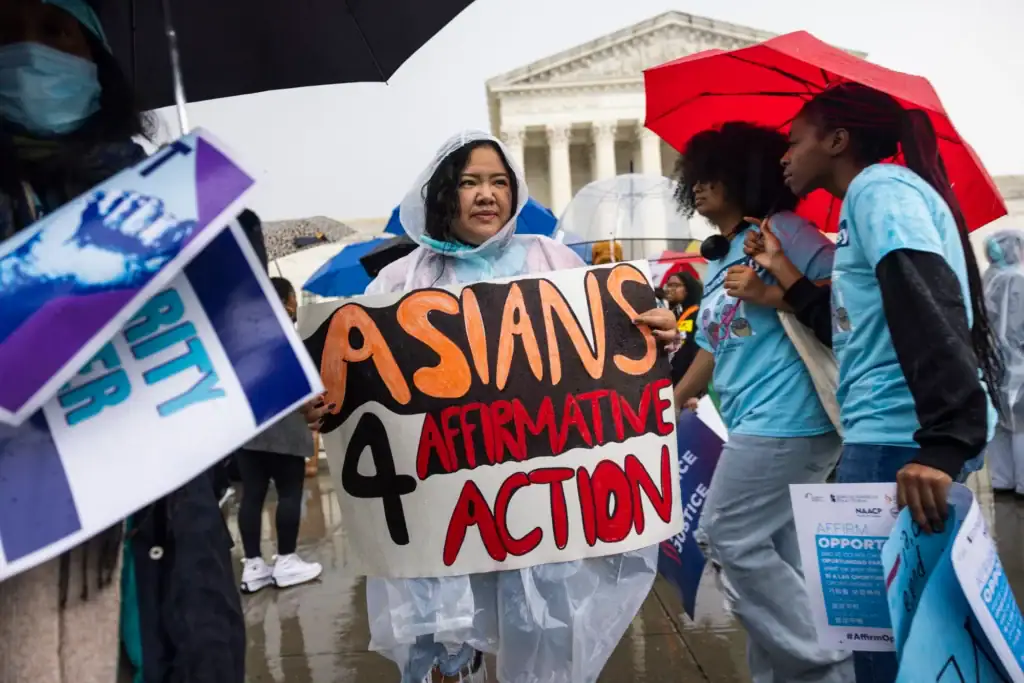
Said Sally Chen, a Harvard alumna and education equity programme manager at Chinese for Affirmative Action, a San Francisco-based advocacy group: “If you actually look at what they funded or what they have been funded by … you’ll see that…
A survey of 7,000 Asian adults found a majority of Asian Americans think affirmative action is a good thing. The poll released Thursday by the Pew Research Center says 53% of Asian Americans describe affirmative action as a “good thing.” 19% consider it…
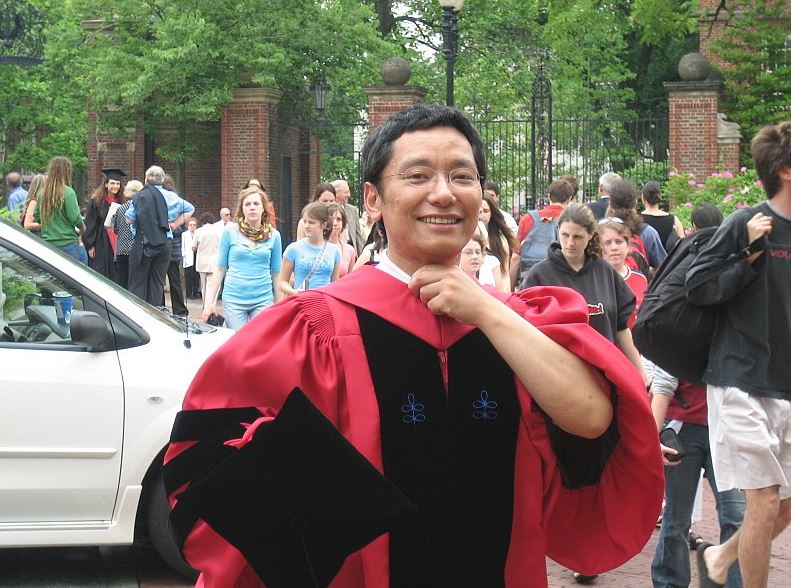
In the 10 years since he sent the emails and filed the complaints, he’s come to feel that the issue is much bigger than just whether he got to attend Harvard College. He’s concluded, he said, that “affirmative action is…
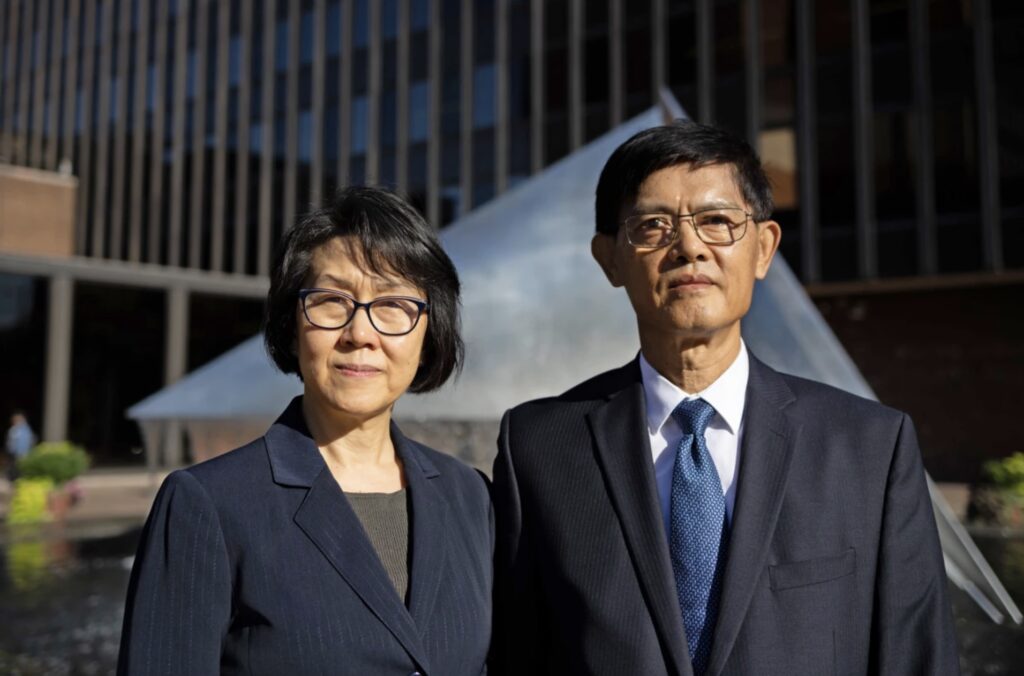
“That was a very traumatic event, not only to me but it was also a very traumatic event to my family. My two daughters, my wife — everyone reacts to this in their different ways,” Xi said through tears. “We…
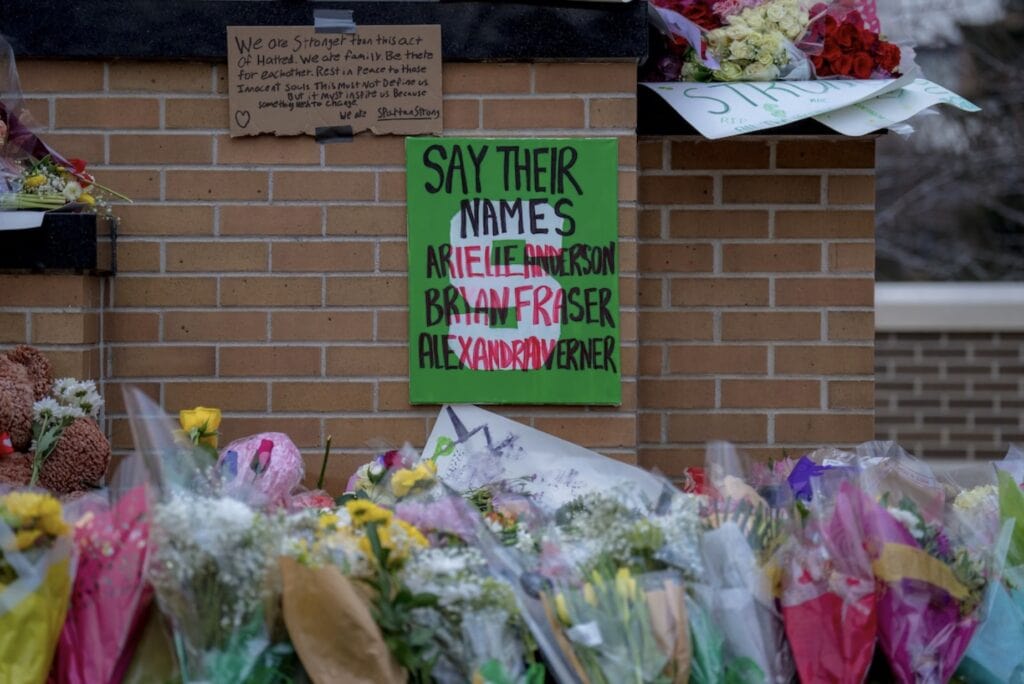
“This basic sense of safety of being out in public, going to a dance hall, going to a shopping mall … has really been taken away from us,” said Cynthia Choi, co-founder of Stop AAPI Hate and co-director of Chinese…
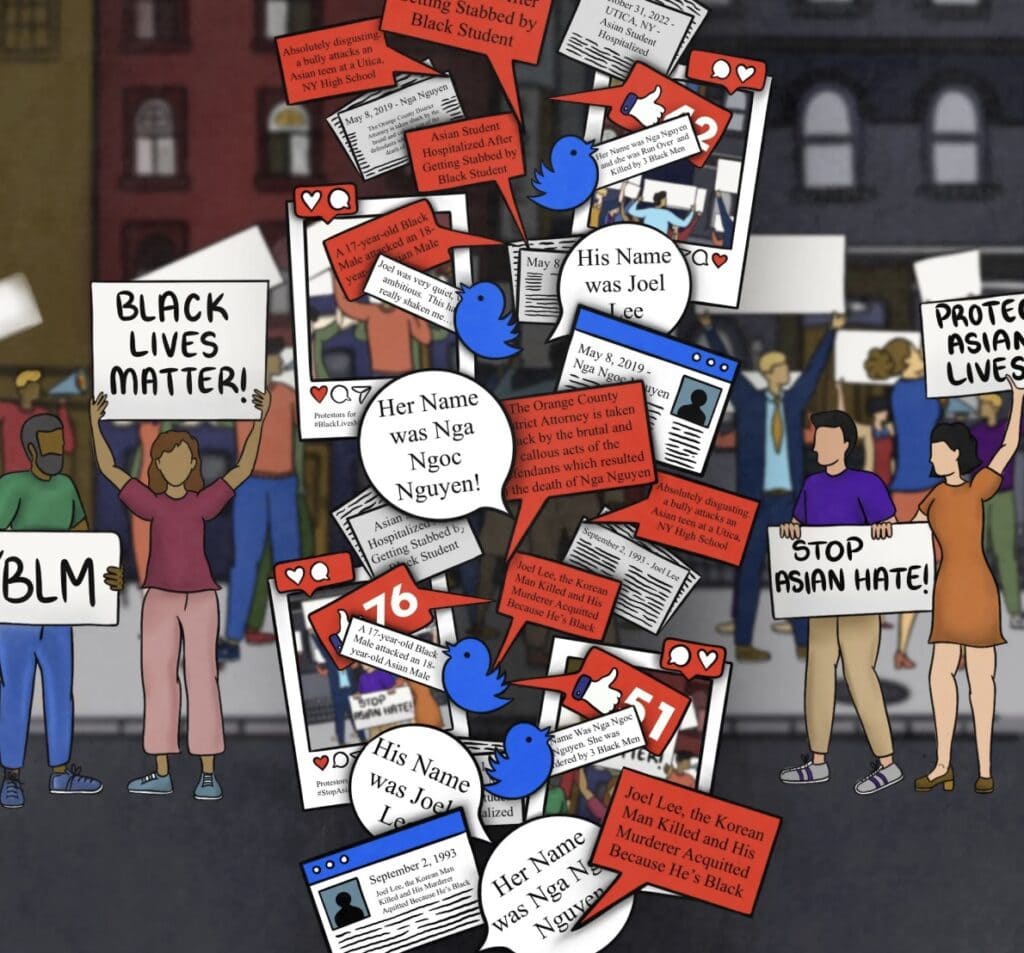
Jinxia Niu, who manages the Chinese Digital Engagement Project for Chinese for Affirmative Action (CAA) says anti-Black narratives are frequently found in conversations about public safety, affirmative action, and reparations. She created Chinese language fact-checking boards and independent websites to challenge anti-Black disinformation.
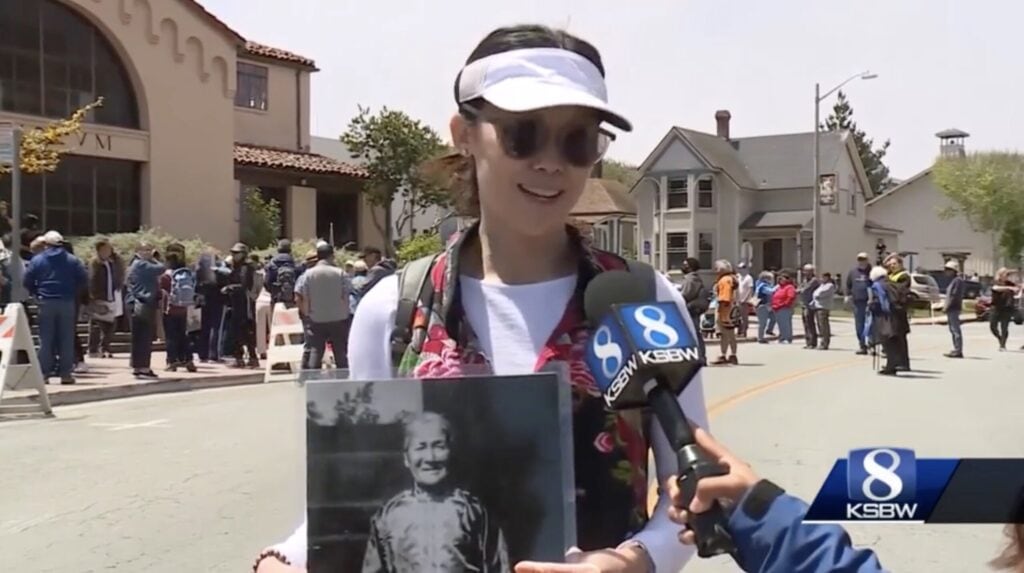
“There were over 150 Chinese who lived in the village and fished and contributed to the community, both through fishing as well as science,” said Shelly Gin, a sixth-generation descendant of the Chinese Fishing Village, President of the Quock Mui…
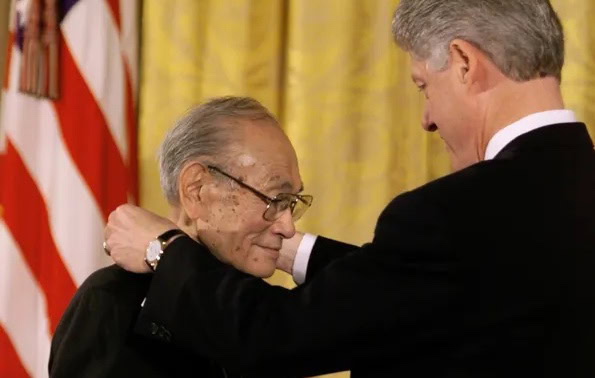
The scale at which AA and PI people have their rights violated is shocking. These findings should be a wake-up call: The fight for our civil rights is not just a history lesson but a movement we must engage in…
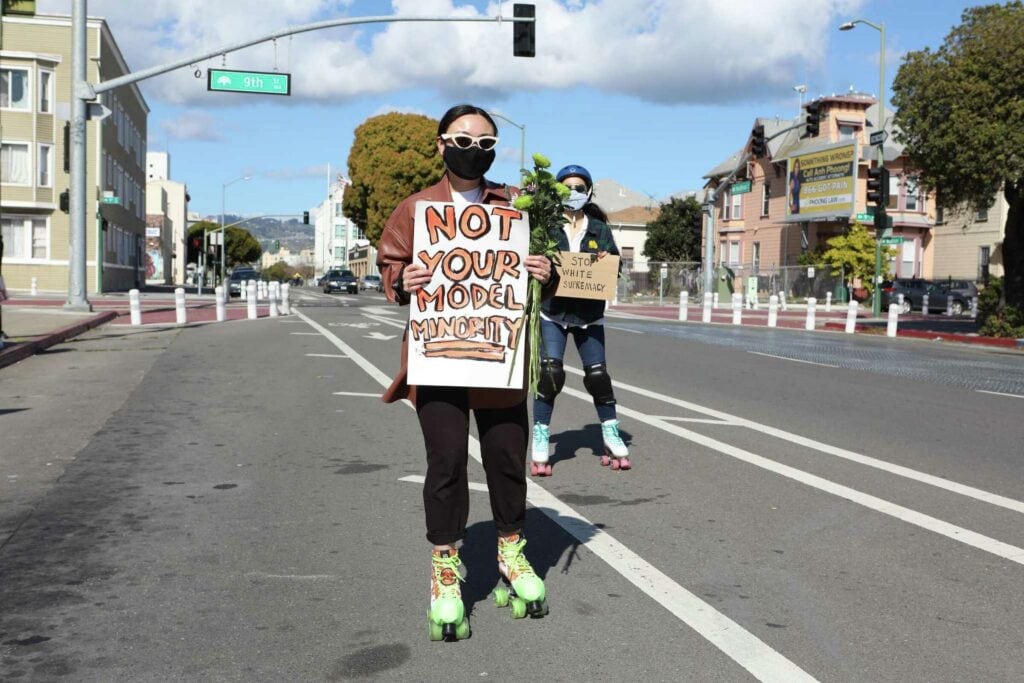
“If we lump everyone together, we are and we have missed those differences, and it has led to this belief, this falsehood, that there is no need to focus on educational equity,” said Cynthia Choi, co-executive director of the civil…
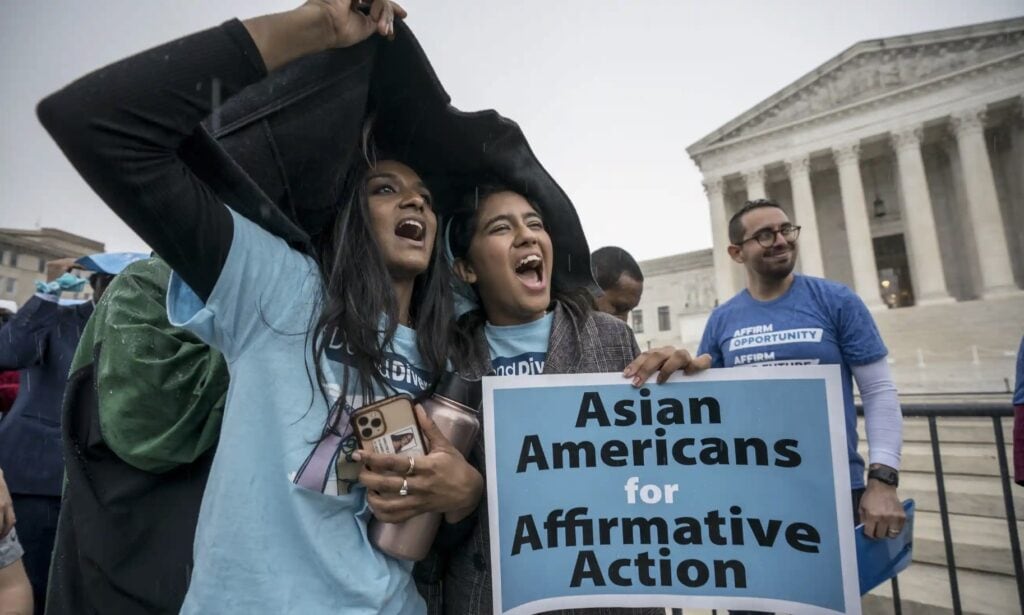
Affirmative action opponents have used racial scapegoating to reframe the national debate, exploiting middle-class fears amid a toxic obsession with meritocracy. By Jeff Chang
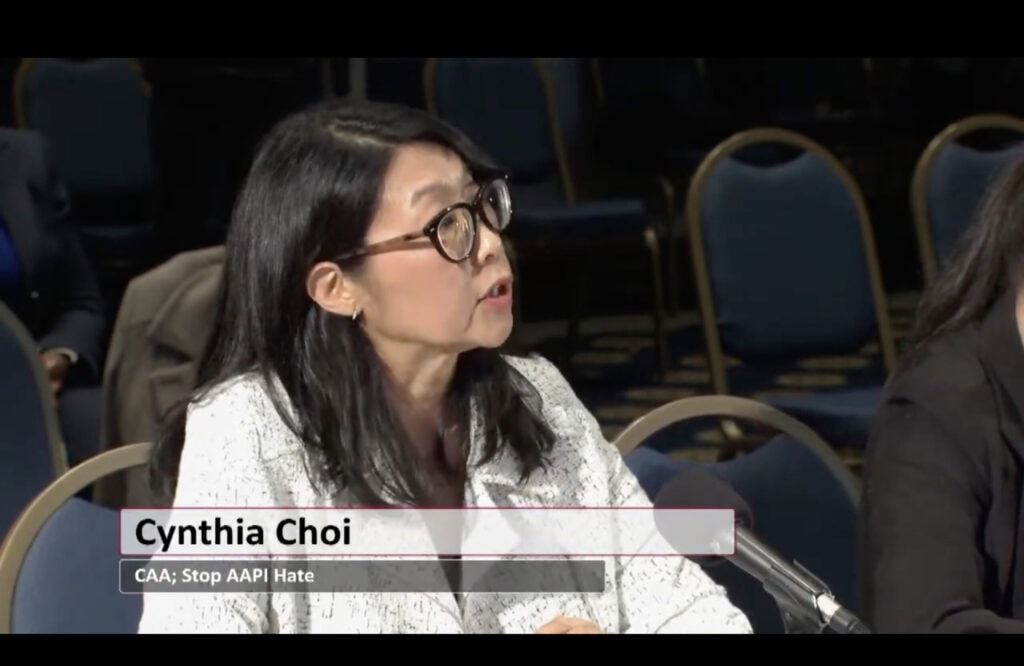
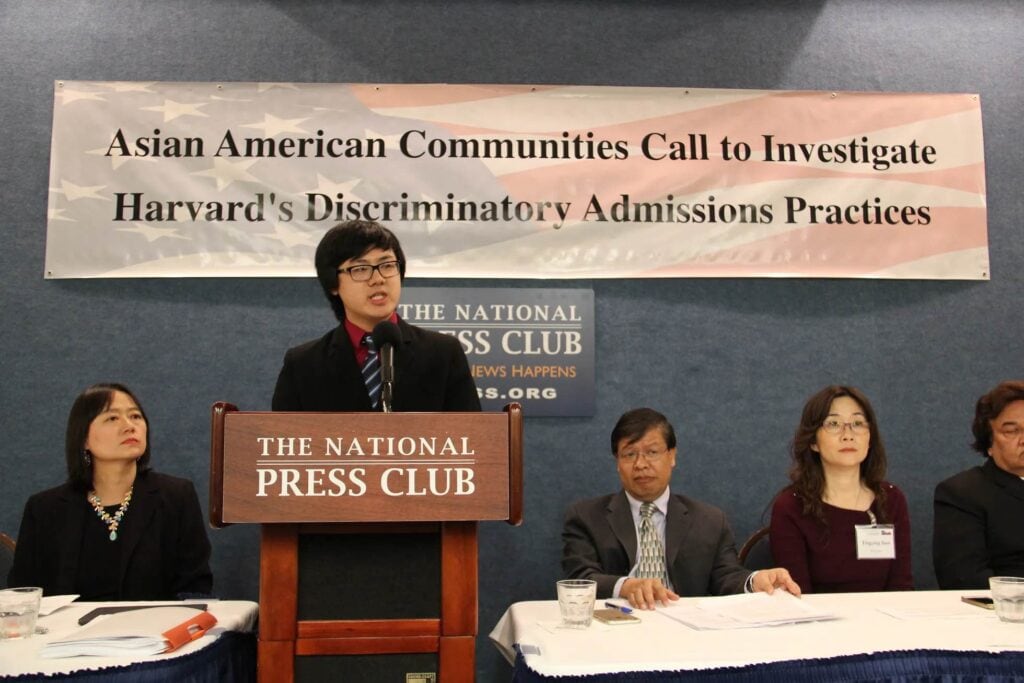
Cynthia Choi, co-executive director at Chinese for Affirmative Action, speaks at the U.S. Commission on Civil Rights’s briefing on March 24, 2023 on the federal government’s response to anti-Asian racism in the United States.